How to ensure that lighting doesn’t get boring in 5 years
7. April 2026.
How we turned milk crates into lamps for a high-end hotel
21. April 2026.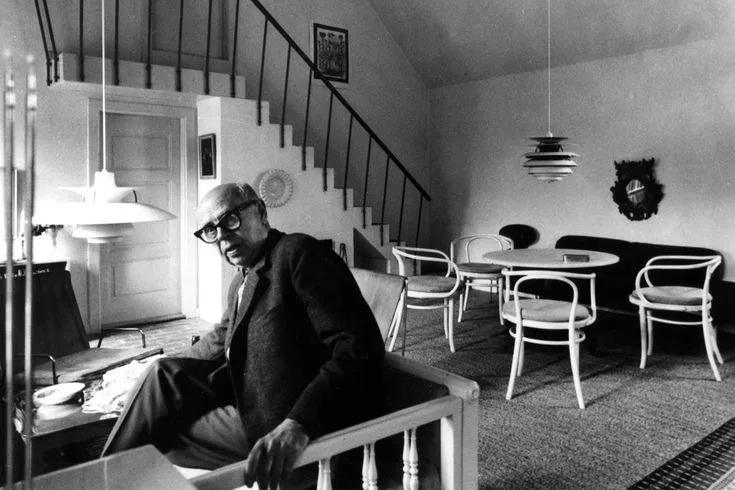
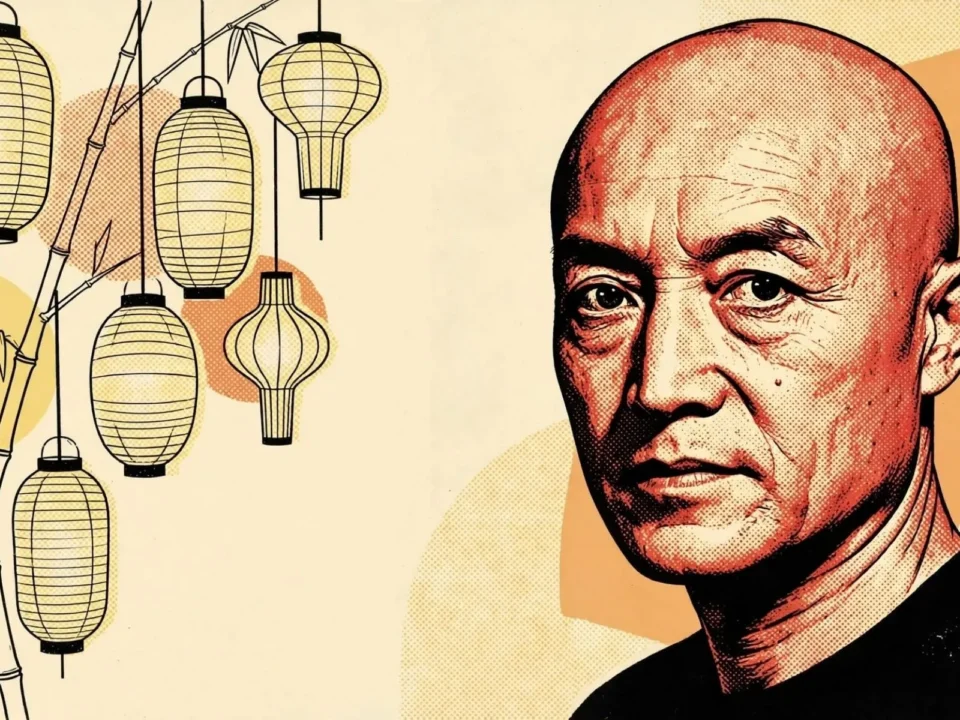
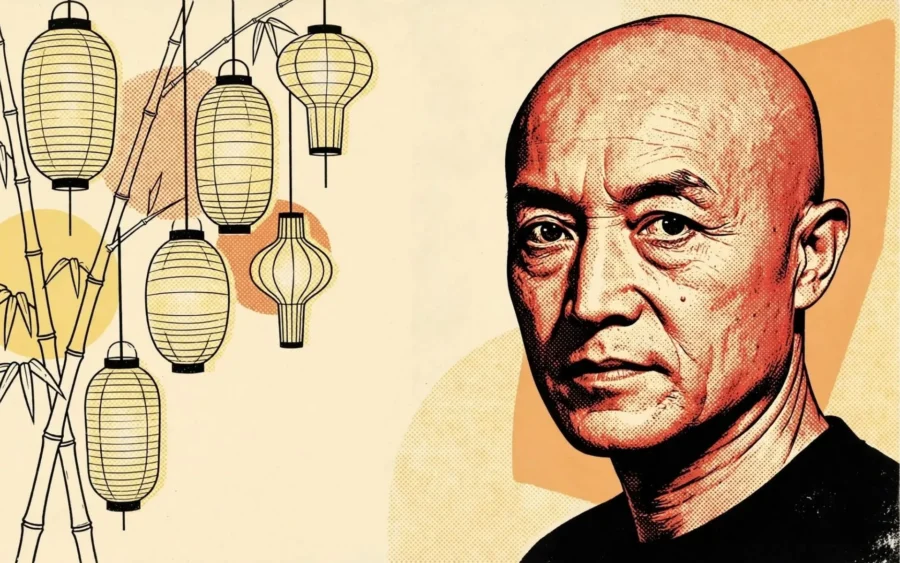
PORTRAIT OF AN ICON Poul Henningsen, the man who shaped the way we see light
When talking about quality lighting today, we often hear the words “comfortable light”, “no glare,” and “even lighting”. Few people know that a large part of this standard was set by one man, Poul Henningsen. A Danish architect, designer, and cultural critic, Henningsen was not only the author of lamps, but he was also a man who understood light almost morally, as something that should serve man, not hinder him. Already in the early years of the 20th century, he began experimenting with the design of light, observing how it reflects, scatters, and affects space. The result was not just an aesthetic object, but a system of thinking that would define modern lighting.

Photo source: www.designboom.com
His most famous contribution is the so-called PH lampshade system, a multi-layered construction that controls the direction and quality of light. Instead of the bulb “hitting” directly into the eyes, the light is reflected through carefully shaped surfaces and evenly spread throughout the space. This very principle would later culminate in models like the PH 5 lamp, which we have already written about, but here it is more important to understand the logic behind it. Henningsen did not design a lamp; he designed the way light lives in space. His works, especially the collaboration with Louis Poulsen, became an industry standard and a reference point for all who came after.
Between art, politics, and light
What sets Henningsen apart from many designers is the breadth of his work. He was a writer, editor, social critic, and an outspoken opponent of Nazism, which forced him to flee Denmark during World War II. His worldview was deeply humanistic, which is clearly evident in his approach to lighting. Light was not a luxury or decoration, but a basic requirement for a dignified life. At a time when electric lighting was not yet the standard we know today, Henningsen worked to make it accessible, comfortable, and functional.
It is also important to understand the context in which Henningsen worked. The beginning of the 20th century brought the rapid development of electric lighting, but also several problems, from excessive glare to uneven lighting of the space. During this period, many designers tried to “pretty up” lamps, while Henningsen did the opposite. He was not interested in how to hide the problem, but how to solve it. He observed light almost scientifically, testing angles of reflection, materials, and surfaces, searching for the optimal relationship between the light source and the observer’s eye.
Design is not separated from production
It is from this approach that his long-standing collaboration with industry emerged, where design was not separated from production. Henningsen insisted on precision manufacturing because he knew that even the smallest deviation could change the quality of light. This is a distinction that is often overlooked even today. Good lighting is not just an idea or a sketch, but the result of understanding materials, technology, and actual application in space.
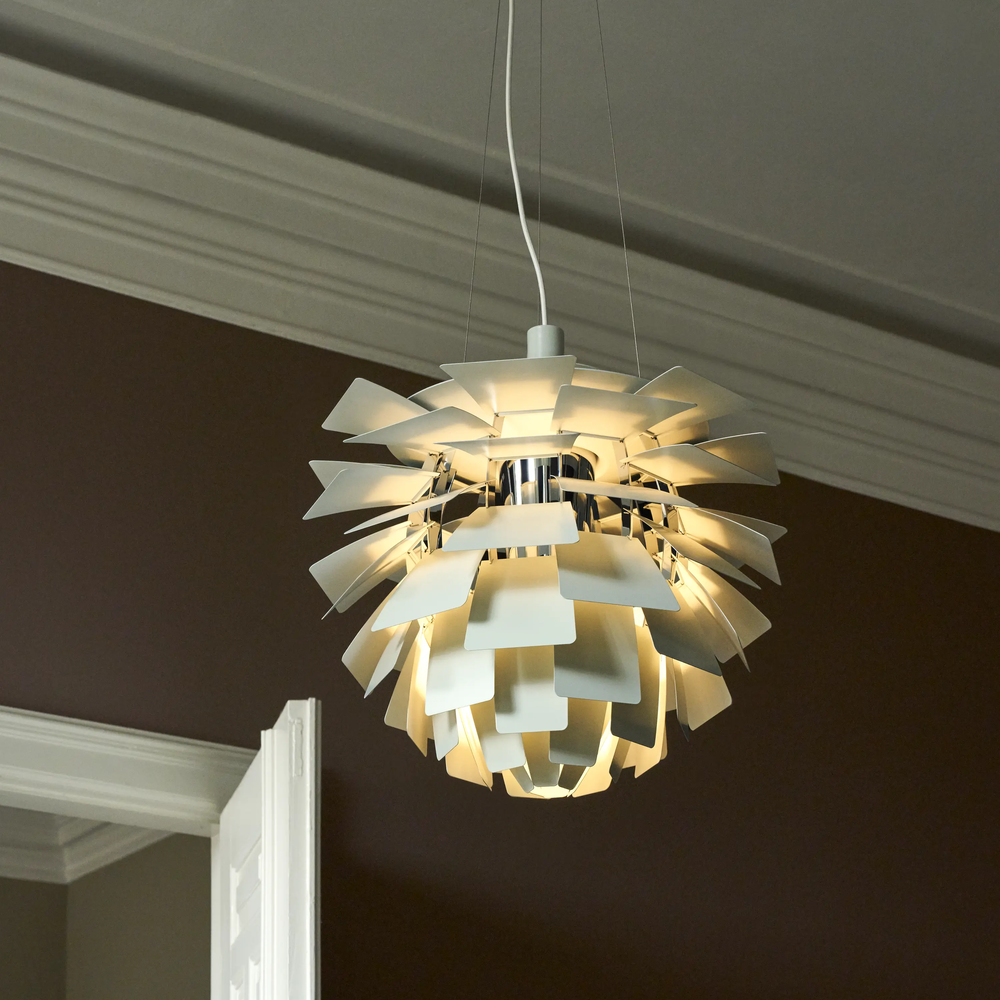
His most famous models, such as the Artichoke lamp, were not born from a desire for spectacle, but from a precise solution to the problem of light reflection and distribution. This is precisely where his greatest value lies, an approach that starts from the person, not from the form. In today’s context, where design is often reduced to visual effect or the speed of generating ideas, Henningsen’s work acts almost as a reminder. Good lighting does not begin with form, but with an understanding of light. And that is a difference that no tool, even the most advanced, can replace without real knowledge and experience.
We are happy to answer all your questions!
Use the form below and ask anything you want to know.
If you need an official offer, choose: company