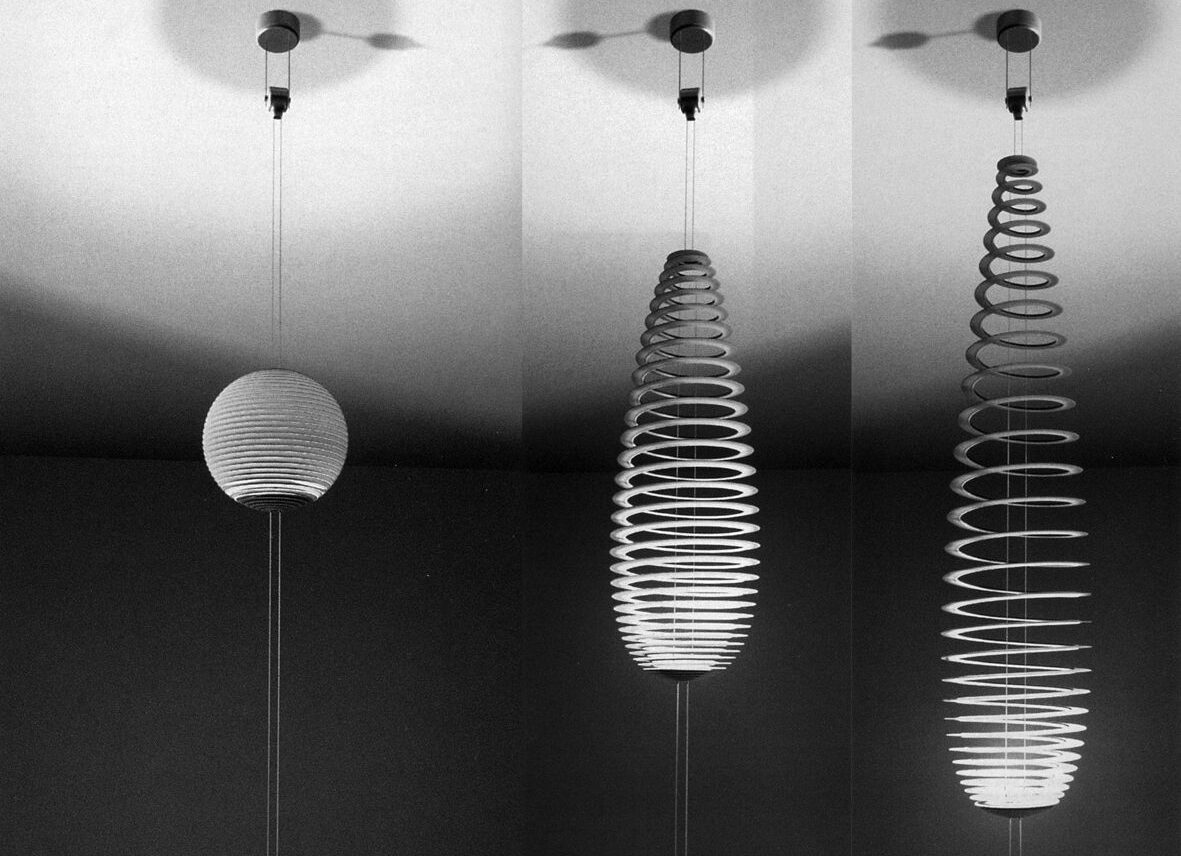
A LOOK INTO THE PAST The unveiling of Arad’s Ge-Off Sphere Lamp
7. February 2024.
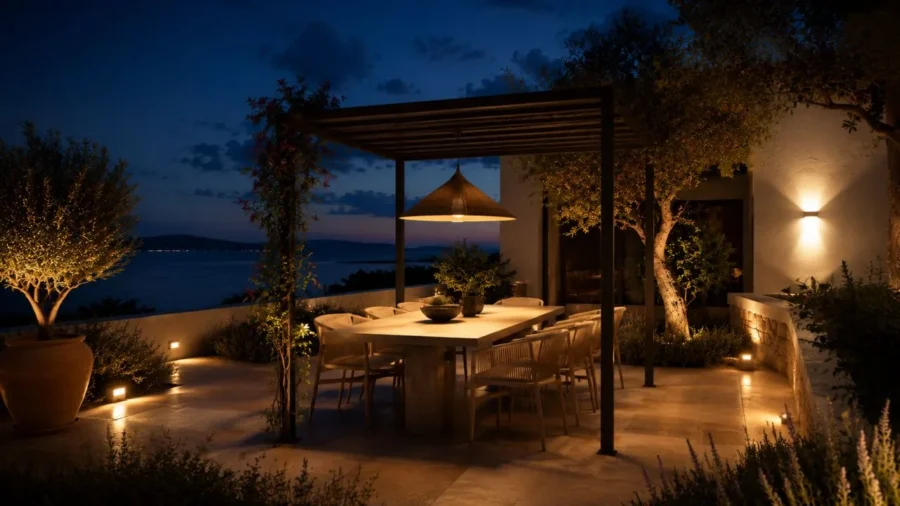
One of the best luxury vacation homes is graced by the lighting design of Corda Lighting
20. March 2024.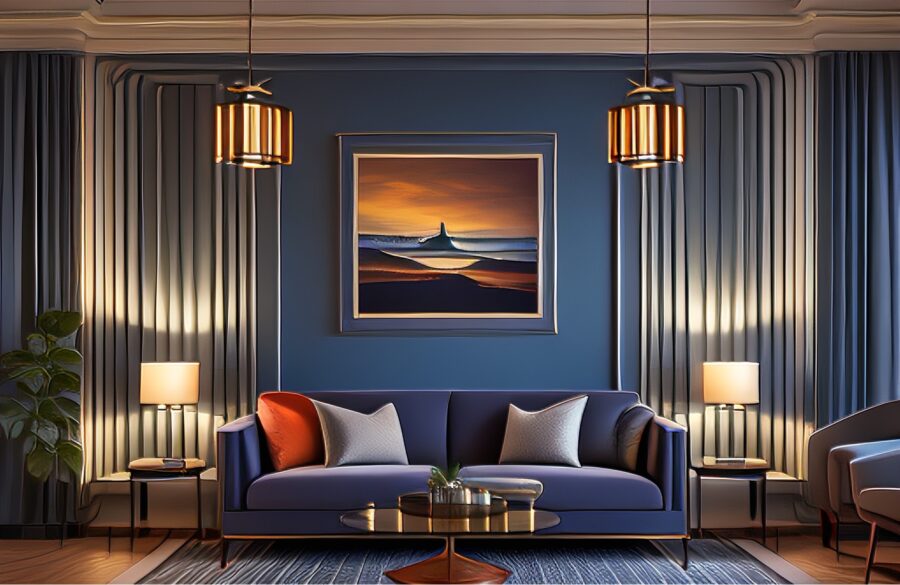
ART DECO LIGHTING Synthesis of style, luxury and innovation
Art deco lighting design represents one of the most significant and recognizable styles in the history of lighting design.
The flowering of this style took place between the two world wars. Especially during the 1920s and 1930s, when he shaped the landscape of modern architecture and interiors. The lighting fixtures are characterized by geometric shapes, luxurious materials and expressive details that reflect the spirit of modernism and glamor of that period.
By the way, art deco (abbreviated from French art decoratif: “decorative art”) is the name for a movement in applied art and architecture. It was created after the International Exhibition of Decorative Arts (Exposition Internationale des Arts et Décoratifs Industriels Modernes) in Paris in 1925. year As a phenomenon within fashion and even modern art, it was active in the 1930s in France, often during the 1940s, when it became ubiquitous in the United States of America, where it particularly stands out in architecture.¹
History and development of art deco aesthetics in lighting design
Three examples of authors who created in the style of art deco lighting design stand out as representative:
- Jacques Adnet – French designer known for his elegant and luxurious pieces of furniture and lighting, often inspired by art deco aesthetics. His chandeliers and lamps combine classic lines with modern materials and details.
- Josef Hoffmann was an Austrian architect and designer. He was among the founders of the Vienna Secession and a co-founder of the Wiener Werkstätte. His most famous architectural work is the Stoclet Palace in Brussels, a pioneering work of modern architecture, Art Deco and the pinnacle of Viennese Art Nouveau architecture. Hoffmann designed the ‘ Table Lamp ‘ when artificial light sources were switching from gas to electricity, which challenged designers to innovate in line with the new technology.
- René Lalique was a French glass designer known for thousands of glass designs, but he was a master of two careers. The first, as a jeweler, mostly during La Belle Époque, lasted until he was in his early fifties. Later, as a glassmaker in the 1920s and 30s, Lalique designed vases, clocks, chandeliers and even car hood ornaments that were the essence of Art Deco chic. His lamps and chandeliers were often decorated with crystal details, floral motifs and stylized figures, creating unique pieces that became a symbol of luxury and elegance.
One of the key characteristics of art deco lighting design is the use of geometric shapes, such as circles, triangles, squares and stars, which often appear in lamps and chandeliers. These shapes emphasize symmetry and rhythm, creating a dynamic visual composition that attracts attention. Light sources are often placed within clearly defined geometric frames, which creates an effect of symmetry and balance.
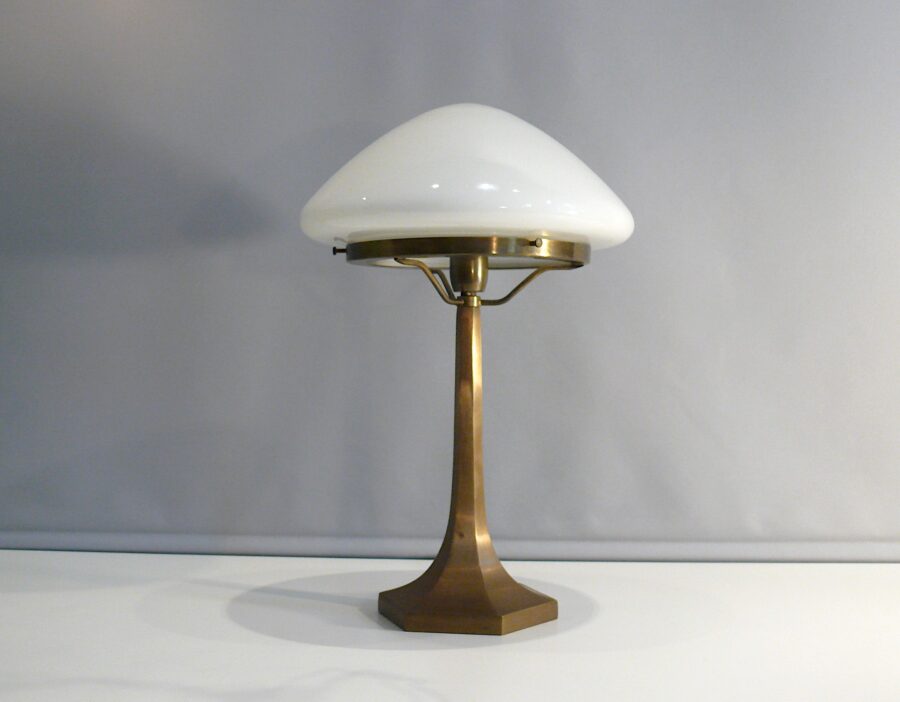
Inspiration and characteristics of art deco lighting fixtures
Luxurious materials play a key role in art deco lighting design. Copper, bronze, chrome, nickel and glass are often used to make lighting fixtures , giving them a luxurious and elegant look. Crystal details, such as sparkling rhinestones or prisms, add an extra dose of glamor and shine. These materials emphasize the idea of luxury and exclusivity, making art deco lighting popular among the elite of the time.
Expressive details are often key elements in art deco lighting design. Sunray patterns, geometric patterns, exotic motifs and stylized figures often appear on lighting fixtures, adding a unique aesthetic and personality to them. These details are often inspired by exotic cultures, such as Egyptian, African or Asian, and reflect the period’s fascination with world travel and adventure.
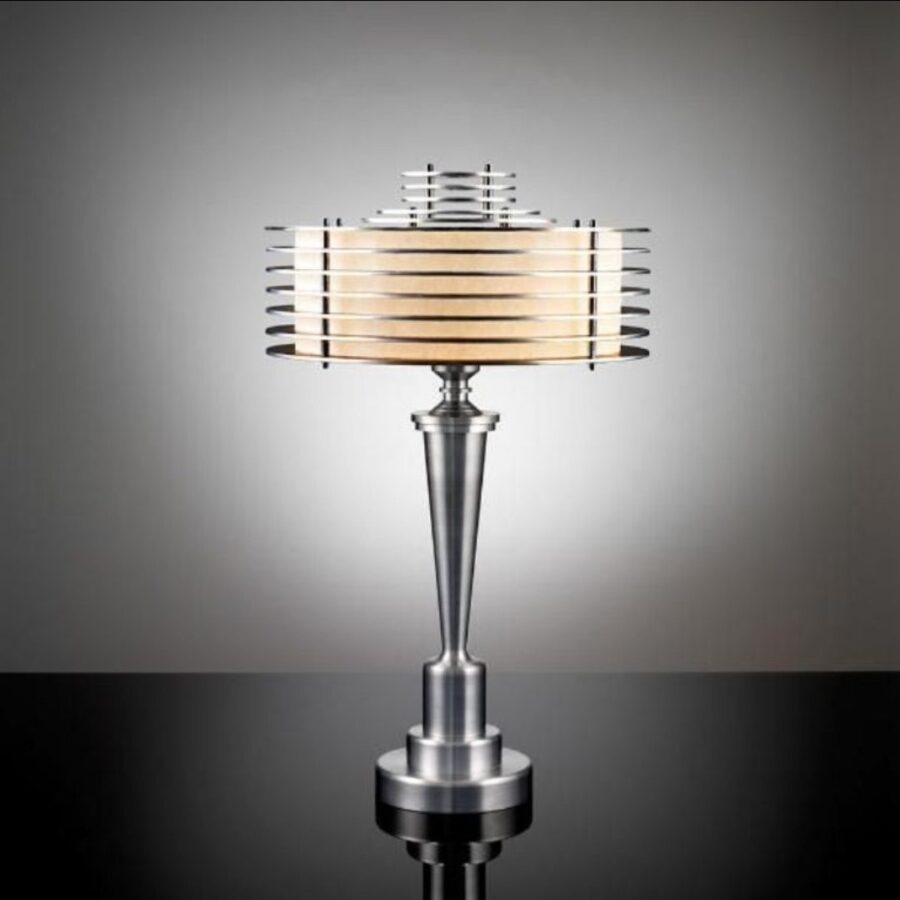
Art deco lighting design is not only aesthetically appealing, but also functional. These contemporary designs are often designed with practicality and usability in mind, providing ample light while creating a strong visual impression. Art deco chandeliers are often central pieces in a space, attracting attention and becoming not only a source of light, but also a decorative element that transforms the space.
In short, this lighting design represents a combination of luxury, elegance and modern aesthetics. Its geometric shapes, luxurious materials and expressive details make it a recognizable and unforgettable style that still inspires designers around the world today.
We are happy to answer all your questions!
Use the form below and ask anything you want to know.
If you need an official offer, choose: company