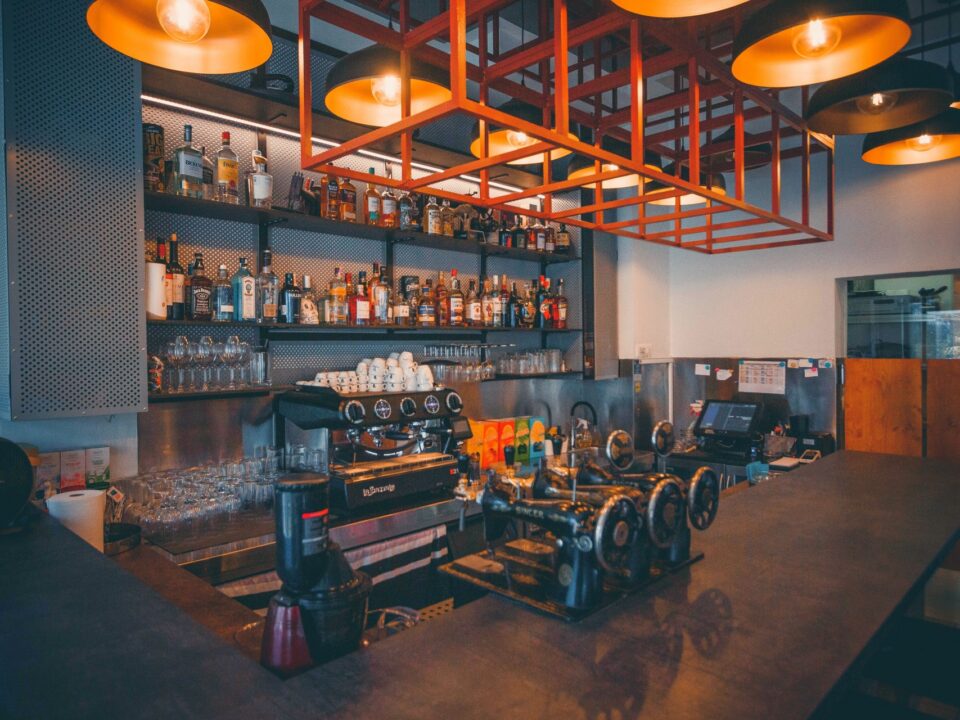
Lighting in hotels and restaurants has long ceased to be just a technical aspect of decoration. In modern hospitality, lighting is one of the key elements that builds the identity of a space.
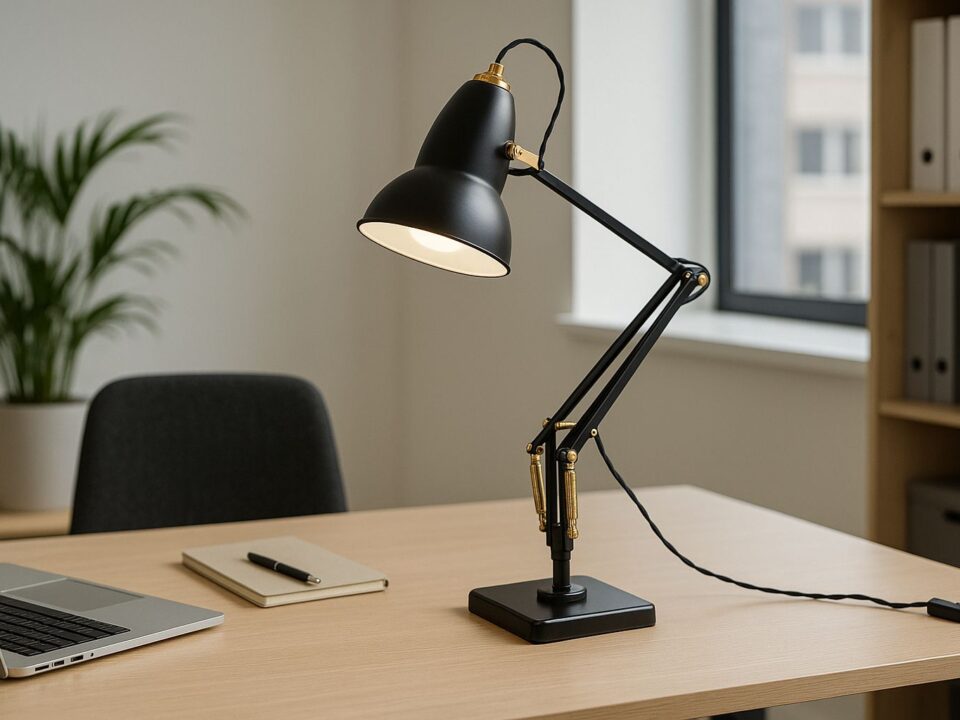
The Anglepoise lamp was developed in the early 1930s in Great Britain by engineer George Carwardine. An automotive suspension specialist by trade, Carwardine worked on shock-absorbing systems in vehicles. He applied his knowledge of this field to the development of a mechanism for a lamp that could be precisely adjusted and held in position without any additional tools.
When we talk about light in architecture, the name Le Corbusier is inevitably the first to come to mind. Born Charles-Édouard Jeanneret in 1887 in Switzerland, Le Corbusier was a visionary who revolutionized architecture in the 20th century through his radical ideas about urbanism and functionality and through his deep understanding of light as an essential element of design. century.
Lighting in hotels is of utmost importance. Today, after a quarter of the 21st century, no one can deny this. Namely, lighting has the power to shape the experience of guests, influence their comfort and leave a lasting impression. However, mistakes are often made that can ruin the atmosphere and turn visitors away.
Interior designer Sandra Katona Šesto, owner of the 600design interior design studio, places great emphasis on lighting, as an essential element of any quality space. When designing interiors, she considers not only the aesthetic harmony of lighting with the rest of the design, but also its functionality, adaptability, and the quality of the light ambience.
Hotel lighting is always a special challenge for manufacturers. Zagreb-based company Corda Lighting has left its luminous signature on one of the most impressive mountain hotels in Austria. It is the COOEE alpin Hotel Dachstein, located in the beautiful surroundings of Gosau.
Verner Panton is one of the most important names in the history of modern design. His bold and innovative approach to interior design and lighting revolutionized the use of color, materials, and lighting effects. While his contemporaries preferred natural materials and subdued tones, Panton distinguished himself by experimenting with synthetic materials and bright colors. His lamps were key elements in shaping space and atmosphere.
Lighting is increasingly seen as a key tool in the design of personal, business, or public spaces, and for good reason. Proper lighting can highlight a building's architectural details, create atmosphere, and optimize functionality. Interior designers, architects, and lighting designers often recognize how light uniquely defines the perception of space.
PORTRAIT OF THE ICON Louis Poulsen: A visionary of lighting design and a key figure in the industry Louis Poulsen, a Danish industrialist and visionary, […]