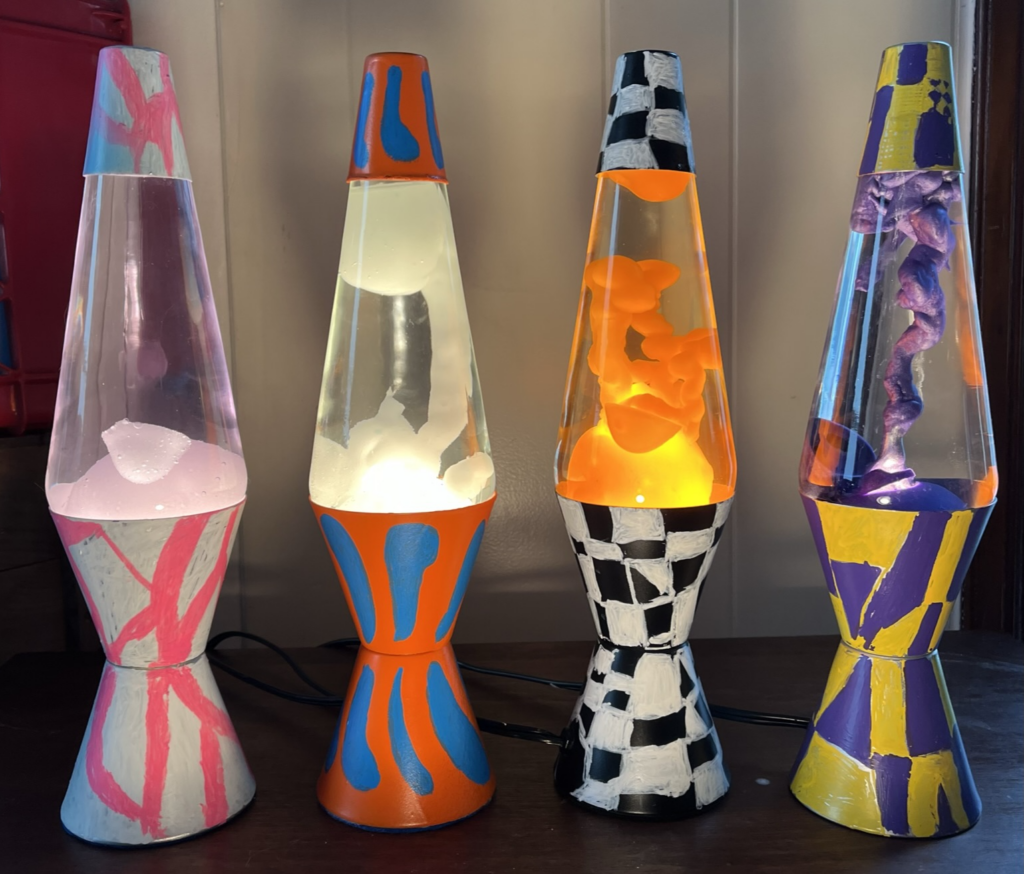
PORTRAIT OF THE ICON Edward Craven-Walker and the iconic Lava Lamp
10. July 2024.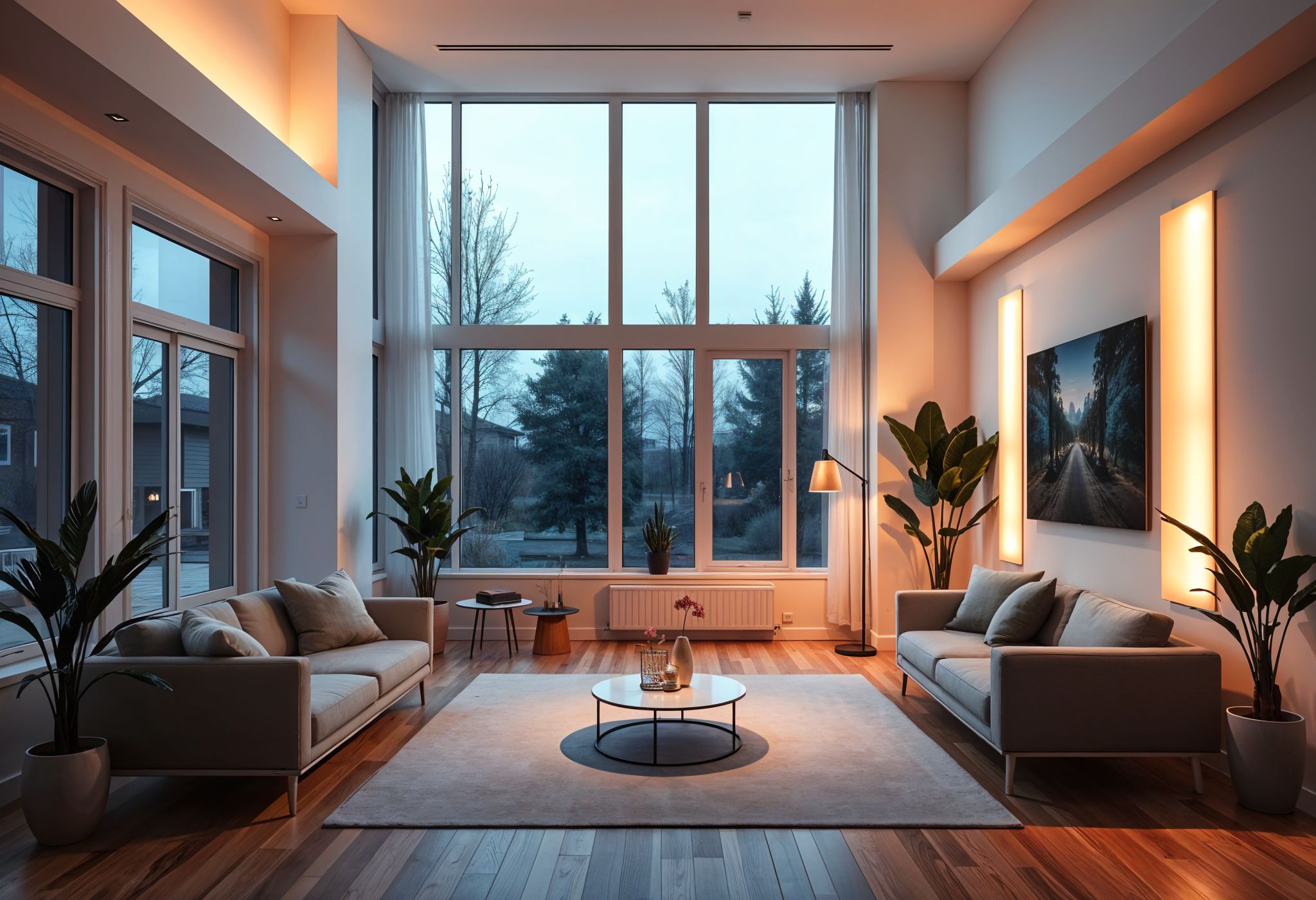
Circadian lighting, what is it and why will we use it more and more in the future?
5. September 2024.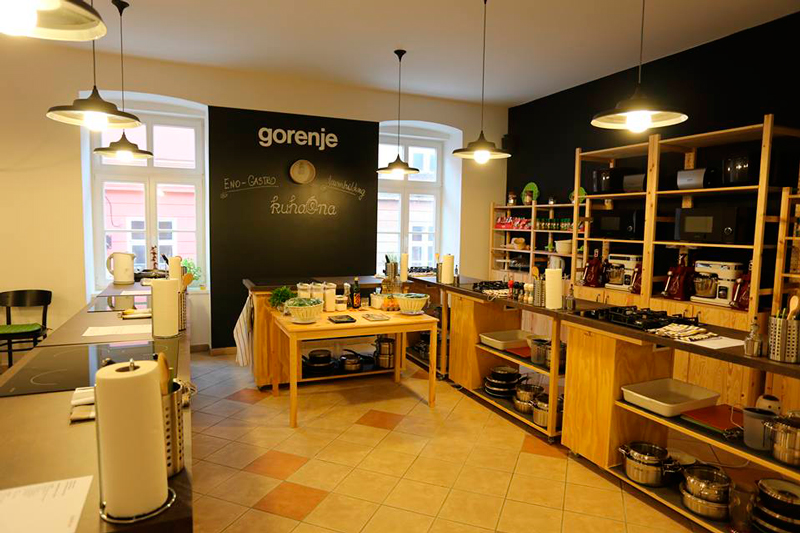
In today’s business world, where efficiency and productivity are key to success, working conditions play a crucial role. Among the various factors affecting work efficiency, proper lighting is often overlooked, even though it has a major impact on employee productivity and safety. Proper lighting is not only a matter of aesthetics or comfort, it represents an important aspect of work efficiency and safety. Research shows that adequate lighting can significantly improve work efficiency. Cooler lights encourage alertness and concentration, which is especially important for intellectual and office tasks. On the other hand, warmer lights create a more pleasant ambience for relaxation and stress reduction, especially in the late afternoon.
Why proper lighting is key to efficiency
Occupational safety experts such as the company Anparo doo point out that quality lighting is essential for the safety of employees. Insufficient lighting can lead to a number of problems, including stress, eye fatigue and reduced concentration, increasing the risk of workplace accidents. Poor visibility can cause operational errors, especially in industries that require high precision, such as manufacturing or laboratory testing. For example, in environments where heavy machinery or hazardous chemicals are handled, a lack of adequate lighting can lead to serious injury. Therefore, proper lighting is not only a matter of comfort, but also a key element of safety at work. According to occupational safety standards, lighting must be adapted to the specific needs of the work space and the nature of the work. Lighting manufacturers, such as Corda Lighting , play a key role in providing solutions that meet high standards of safety and efficiency. With the advancement of technology, the possibilities of adjusting the lighting to the specific needs of the work space have been significantly improved. LED technology enables precise control of light intensity and temperature, which enables lighting to be adapted to different work tasks and environments.
Lighting as an investment in business
Modern lighting systems offer the possibility of adjusting the brightness and color of the light according to the time of day or specific tasks. Cooler lights encourage alertness and concentration, which is ideal for offices and workplaces where intellectual work is done. In contrast, warmer lights can be used for spaces intended for relaxation or for working late hours, helping to reduce stress and ease the transition from work to leisure. Therefore, investing in quality lighting should not only be seen as an expense, but also a strategic decision that brings measurable benefits. Research shows that adequate lighting can increase employee productivity by 10-15%. Improved lighting can also reduce errors and accidents, reducing long-term costs related to injuries and equipment repairs. Energy efficiency is also an important aspect. Quality LED systems improve working conditions and reduce energy consumption, resulting in lower operating costs for employers. Lighting thus stands out as a double advantage – it increases productivity and reduces business costs.
Tips for proper lighting of the workspace
To ensure optimal lighting, consider the following guidelines:
- Light Intensity: Make sure lighting is bright enough for specific tasks – office work requires moderately intense light, while professional and manufacturing work often requires stronger light for precision and safety.
- Color temperature: Select the appropriate light color temperature. Cool white lights (around 5000K) encourage alertness and concentration in offices, while warmer lights (around 3000K) are more suitable for more relaxed zones or the final stages of the working day.
- Avoiding glare: Glare can cause eye strain and reduce productivity. Place lighting fixtures so that the light does not create reflections on screens or work surfaces.
- Adaptability of lighting: Consider installing systems that allow regulation of the intensity and temperature of the light according to the needs of the user or the time of day.
- Work zone lighting: Focus light on key work areas – ensure work surfaces, machinery and precision task areas are well lit, while less used areas may have lower lighting levels.
Quality lighting of the work space is a key factor for achieving high productivity and safety at work. By choosing and applying lighting correctly, you can significantly improve working conditions and general employee satisfaction.
We are happy to answer all your questions!
Use the form below and ask anything you want to know.
If you need an official offer, choose: company