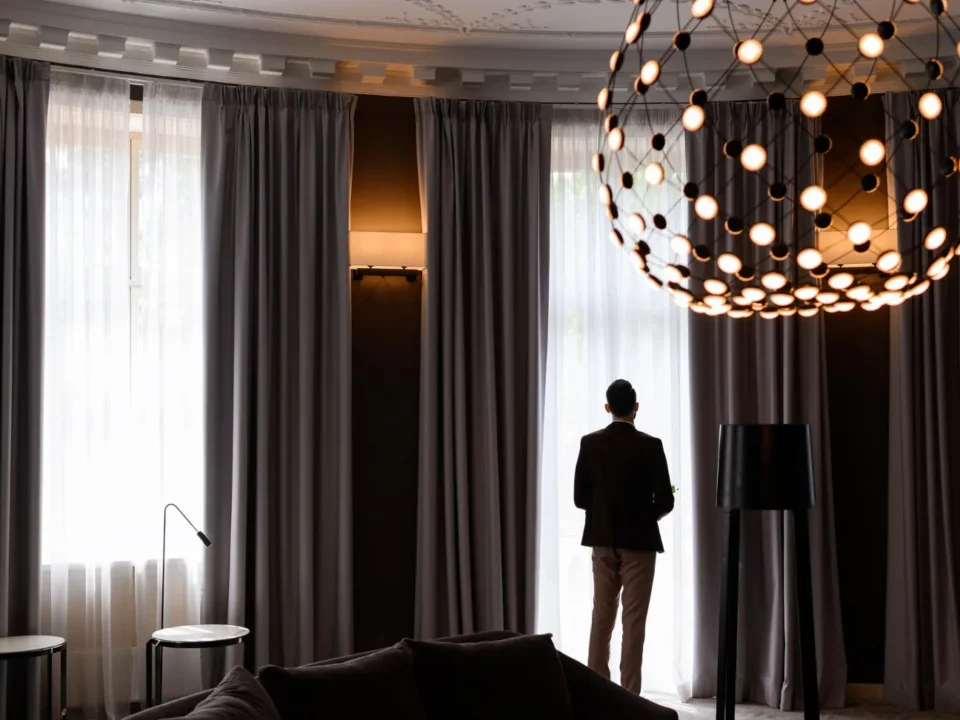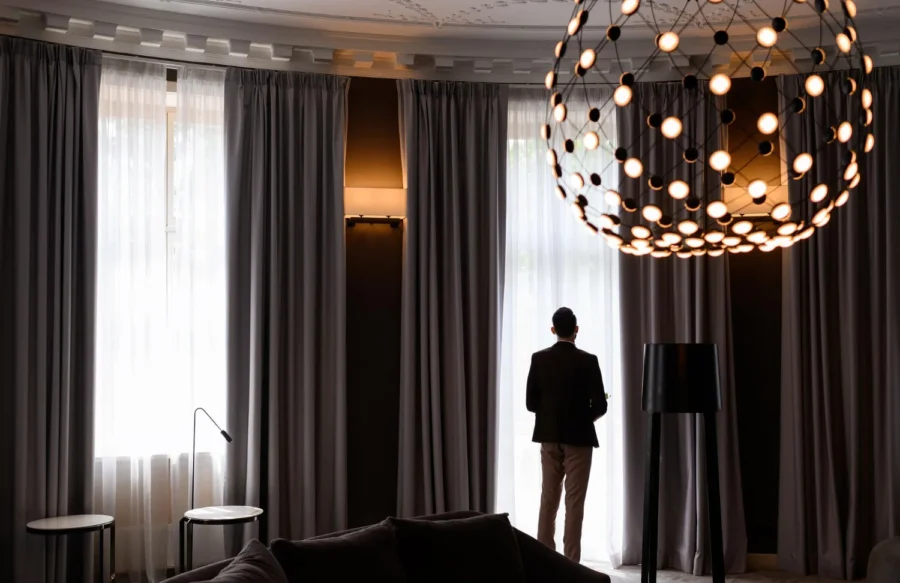
Sculptural lighting for a technological premium space
9. December 2025.
Why hotels that want the “wow effect” don’t choose generic blinds
20. January 2026.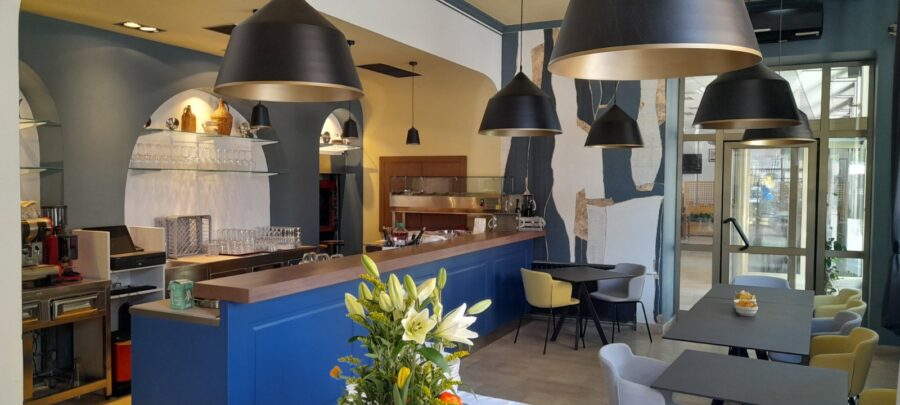
What light temperature is recommended for catering and which for home?
Light temperature is one of those topics that is often underestimated, but in practice, it makes a huge difference. The same space, with the same furniture and the same lighting, can seem cozy or cold, intimate or sterile, just because of the wrong choice of Kelvin. At Corda Lighting, we look at it very simply: light must serve the space and the people who inhabit it, not a catalog or a trend.
Light temperature in the hospitality industry
For restaurants, cafes, and hotels, we usually recommend warmer light temperatures, ranging from 2200 K to 3000 K. The reason is clear. Warm light is relaxing, prolongs the stay, and makes food more visually appealing. Too cold light can make a space uncomfortable, even when the design is top-notch. There are exceptions, for example, in modern bars or hotels with a distinctly contemporary identity, but even then, we rarely go above 3000 K. In the hospitality industry, light is not a technical addition, but part of the atmosphere and business result.
Light temperature in the home
In residential spaces, the recommendations are a bit broader, but still very clear. Living rooms, dining rooms, and bedrooms work best with warm light from 2700 K to 3000 K, as such lighting creates a sense of home and calm. Kitchens and work areas can handle more neutral light, around 3000 K to 3500 K, but without going into cool tones. The home is not an office or a showroom. If you feel that it is “too bright” or tiring on your eyes in the evening, the problem is almost always not the intensity, but the temperature of the light.
In conclusion, there is no universal solution that applies to all spaces. Hospitality seeks warmth and atmosphere; the home seeks balance and comfort. Good lighting is not the one you notice, but the one that makes you feel good in the space without knowing exactly why. Namely, the temperature of the light has a long-term impact on the experience of the space. A wrong choice is difficult to correct later, without additional costs and compromises. That is why lighting should be viewed as part of the architecture, not as a final detail. When the temperature of the light is right, the space “settles” on its own. And then the lighting does what it needs to do, without imposing itself.
We are happy to answer all your questions!
Use the form below and ask anything you want to know.
If you need an official offer, choose: company