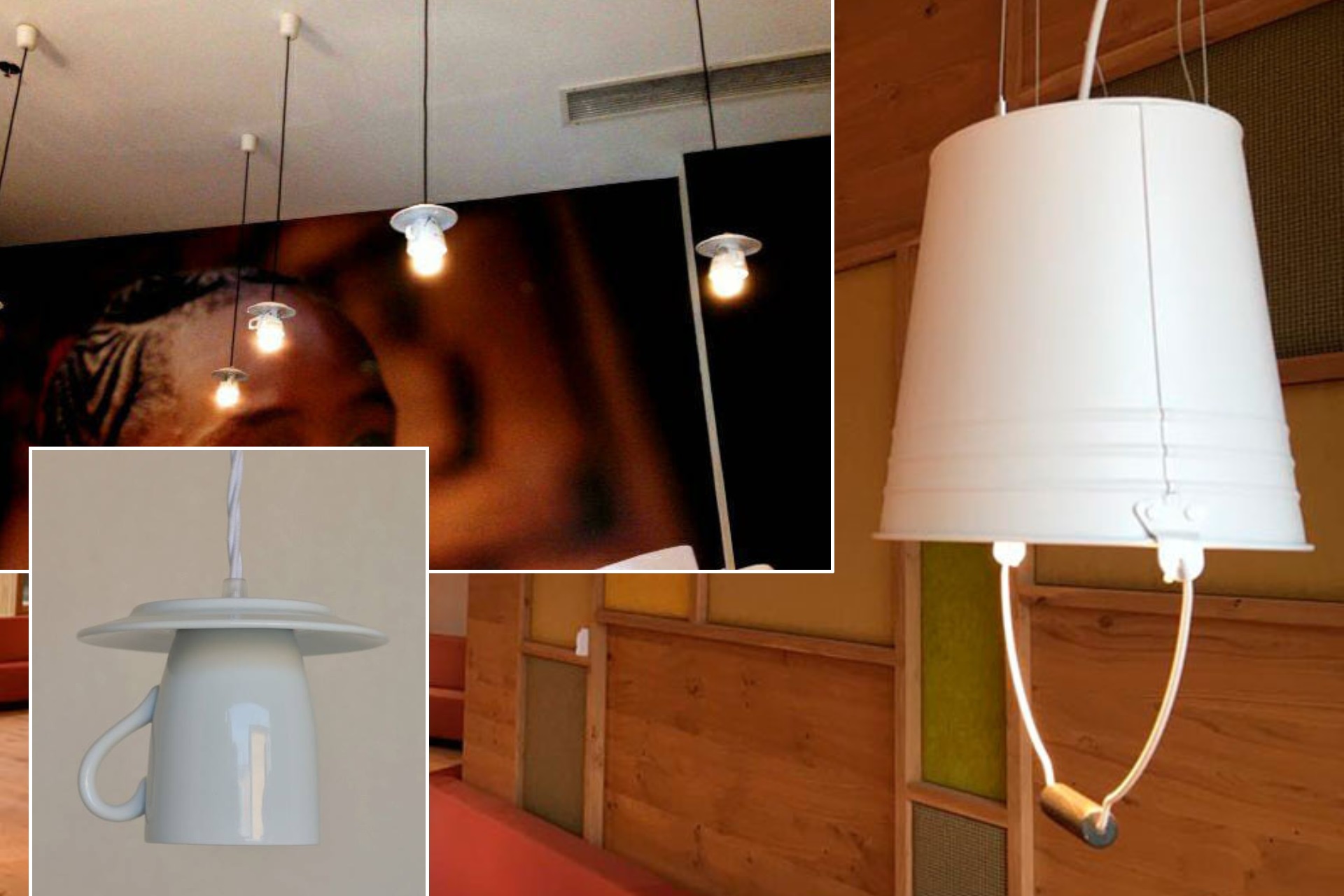
LIGHTING DESIGN IN THE FUTURE How Upcycling is revolutionizing the world of lighting
10. April 2024.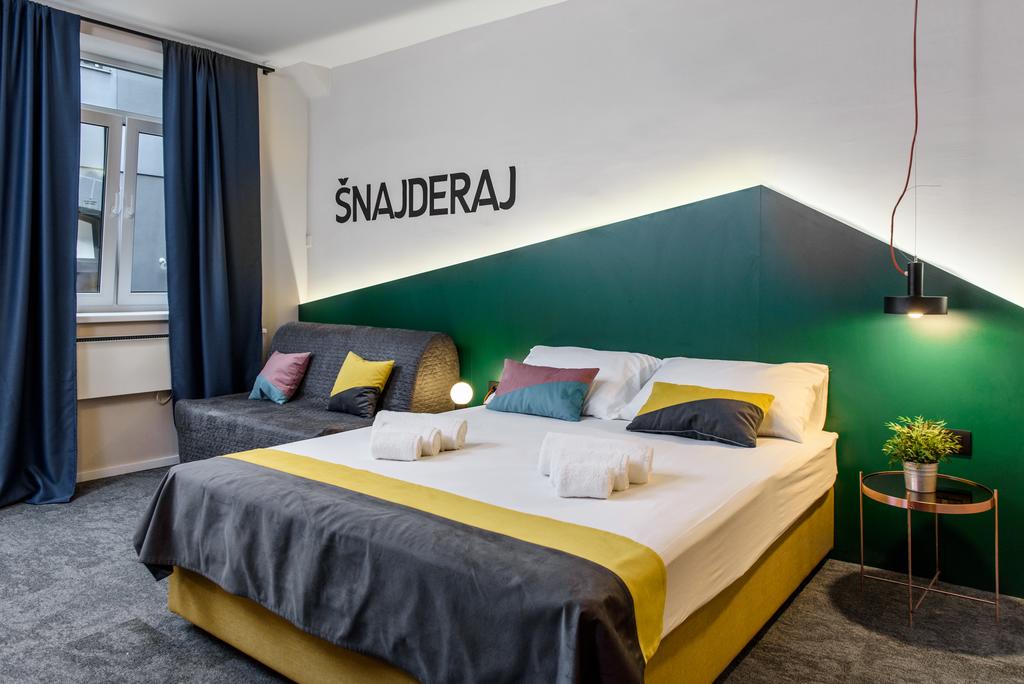
Corda lighting design in the design wonder of the Swanky Mint Hostel
26. April 2024.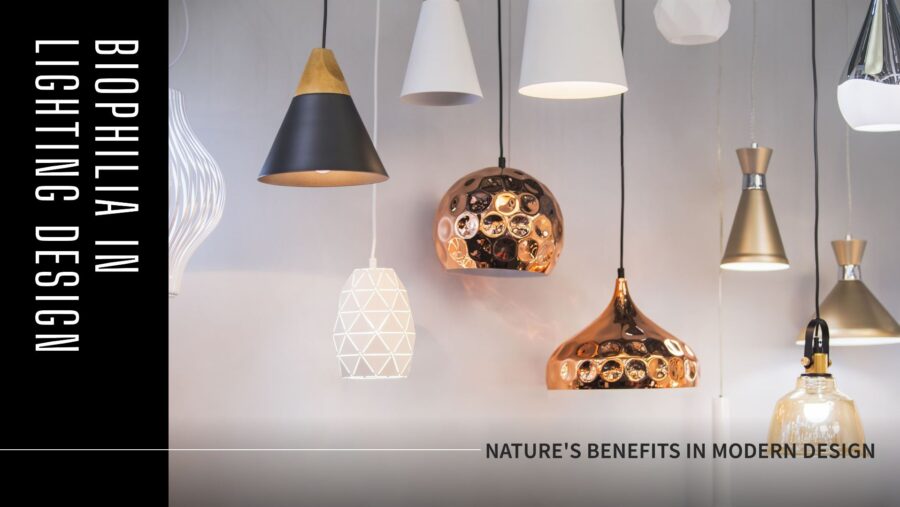
Biophilia, or the love of life and nature, has become a key concept in architecture and design over the last few decades. Its history and development indicate a deep connection between people and nature and the effort to integrate this connection into buildings and the environment in which we live.
The history of biophilia in architecture can be traced back centuries, to ancient civilizations that built their homes and sanctuaries in the midst of nature, using natural materials and forms to blend in with the environment. However, the concept of biophilia in the modern sense was first formalized and explored in the 1984 book ” Biophilia ” by Edward O. Wilson. age. Wilson proposed that there is an innate connection between humans and nature and that we evolved in harmony with the natural environment.
A key element of contemporary design
Since then, biophilia has become a key element of contemporary design, with architects, designers and urban planners increasingly recognizing the importance of connecting people with nature in the built environment. This realization has resulted in various approaches and strategies used to integrate biophilia into architecture and design.
One of the key aspects of biophilia in architecture is the use of natural materials such as wood, stone, glass and plants to create a connection with nature within the space. In addition, architects are increasingly using strategies such as increasing natural lighting, creating open spaces that blend with the environment, and integrating green spaces and sustainable systems built into buildings.
Applying biophilia in design also involves creating spaces that promote a sense of well-being and satisfaction in users. This can include elements such as indoor gardens, reflective pools, terraces with nature views and the use of scent and sound elements that mimic natural environments.
It is important to point out that the integration of biophilia into architecture not only improves the aesthetic impression of the space, but also has significant positive effects on people’s health and well-being. Studies have shown that being in environments that encourage biophilia can reduce stress, increase productivity and creativity, and improve the overall quality of life.
With the growing awareness of the importance of nature conservation and the need for a sustainable lifestyle, and the connection between nature and man, biophilia is likely to remain a key element in architecture and design for years to come.
In order to achieve this connection, an increasing number of lighting designers are integrating elements of biophilia into their creations, offering users lighting that not only aesthetically matches the environment, but also positively affects their mental and physical well-being.
Lighting design that connects people with nature
By using natural materials like wood and glass, and integrating elements that mimic natural sunlight, biophilic lighting design creates products that connect people with nature even indoors.
Advantages of integrating biophilia into lighting design:
- Improved well-being : Light that mimics natural sunlight can improve mood, reduce stress and increase productivity.
- Aesthetic appeal : Lighting design inspired by nature often has an aesthetically appealing look that adds to the overall impression of a space.
- Sustainability : The use of natural materials and energy-efficient light sources reduces the environmental impact of the production and use of lighting fixtures.
Lighting design according to the postulates of biophilia:
- Lighting design inspired by natural forms: Lamps that imitate the shapes and textures of natural elements such as flowers, leaves or branches.
- The use of plants in lighting: The integration of plants into lighting fixtures creates products that not only illuminate the space, but also add a green element of nature.
- Use of technology to mimic natural light: LED lights with an adjustable color spectrum can reproduce natural light cycles, giving users a sense of connection with the outdoor environment.
We are happy to answer all your questions!
Use the form below and ask anything you want to know.
If you need an official offer, choose: company